Damp Proofing in London
Protecting Your Property from Damp and Moisture Damage


Not all damp problems are the same, and identifying the correct type is essential before recommending treatment.
Rising damp occurs when moisture from the ground moves upwards through porous building materials. It can affect lower sections of walls, particularly in older properties where an existing damp-proof course may be absent, damaged or bridged.
Penetrating damp develops when water enters a building through external defects. Damaged brickwork, defective pointing, leaking gutters, deteriorated roof coverings and poorly sealed windows can all contribute to moisture entering internal walls.
Condensation damp occurs when moisture-laden air comes into contact with colder surfaces. Poor ventilation, inadequate heating, thermal bridging and high indoor humidity can contribute to persistent condensation and mould growth.
Plumbing leaks and defective drainage can also cause dampness that resembles other moisture problems.
Each condition requires a different approach. Applying damp-proofing products without establishing the source can leave the underlying problem unresolved.
Why London Properties Are Particularly Vulnerable
identifying solutions for modern and traditional structures
London's varied building stock presents distinctive challenges when investigating moisture-related defects. Many Victorian and Edwardian properties were constructed using traditional solid brick walls, lime mortars and materials designed to manage moisture differently from contemporary cavity-wall construction.
Over time, alterations involving impermeable renders, cement-based repairs, raised external ground levels or unsuitable internal finishes can interfere with the building's ability to manage moisture.
Basement rooms, lower-ground-floor apartments and converted properties may face additional complications relating to ground moisture, waterproofing and ventilation. Older roofs, ageing rainwater systems and deteriorated external masonry can also create opportunities for water penetration. In blocks of flats, moisture may originate from adjoining apartments, shared pipework, roof defects or communal drainage systems.
Understanding the age, construction and maintenance history of a property is therefore essential when determining the most appropriate damp treatment.


Identifying the Cause Before Damp Proofing
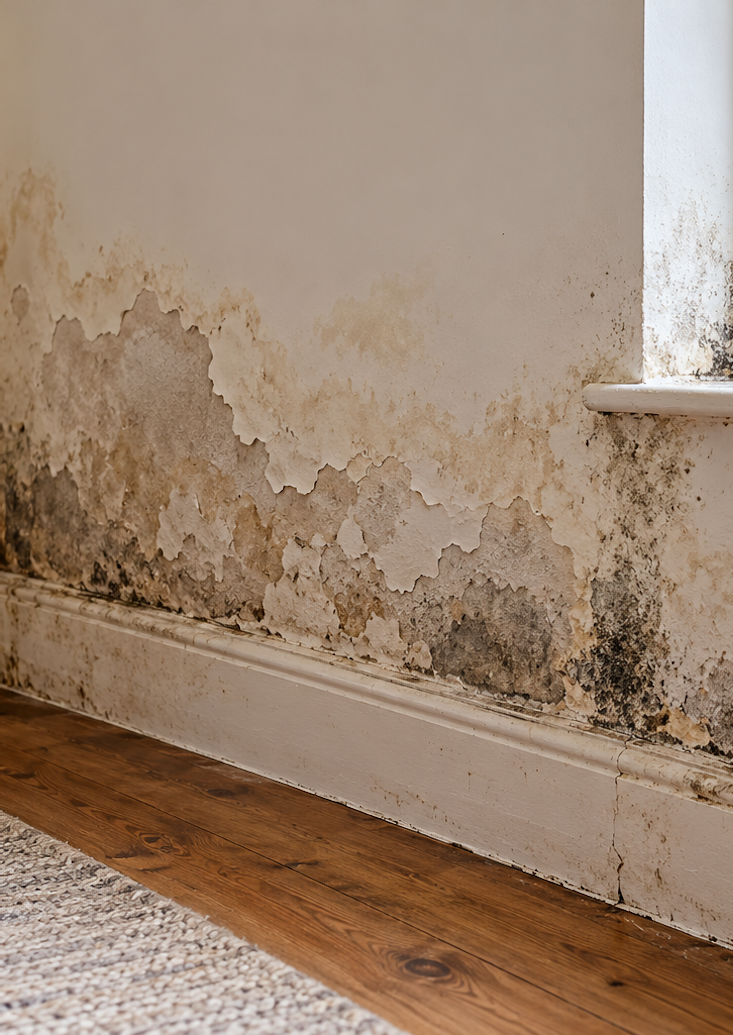
One of the most important stages of damp proofing is establishing an accurate diagnosis. Visible symptoms do not always reveal the source of moisture. A damp patch near floor level, for example, does not automatically indicate rising damp.
A thorough investigation should consider the location and pattern of dampness, internal humidity, ventilation, plumbing services and the condition of the external building envelope.Depending on the circumstances, this may involve inspecting roof coverings, gutters, external walls, drainage connections, window surrounds and existing damp-proofing arrangements.
Moisture meters can assist with preliminary investigations, but readings must be interpreted carefully and should not be relied upon alone to diagnose rising damp. More detailed testing or an independent specialist survey may be necessary where the cause remains uncertain.
At Spears, we recognise that effective remedial work depends on understanding the problem before undertaking repairs. This approach helps avoid unnecessary treatments, improves the effectiveness of the proposed works and supports longer-lasting results.
Damp Proofing and Remedial Treatment Options
The objective is not simply to conceal damp patches, but to address the cause and restore the affected building fabric.
Once the source of moisture has been established, an appropriate programme of remedial works can be developed.
For penetrating damp, treatment may involve repairing defective roof coverings, repointing damaged brickwork, restoring rainwater goods or correcting failed external seals.
Where condensation is the primary issue, improvements may include better ventilation, suitable heating arrangements, insulation upgrades and measures to reduce cold surfaces and excessive humidity.
Confirmed rising damp may require repairs to an existing damp-proof course or the installation of a suitable damp-proofing system, depending on the building's construction and condition.
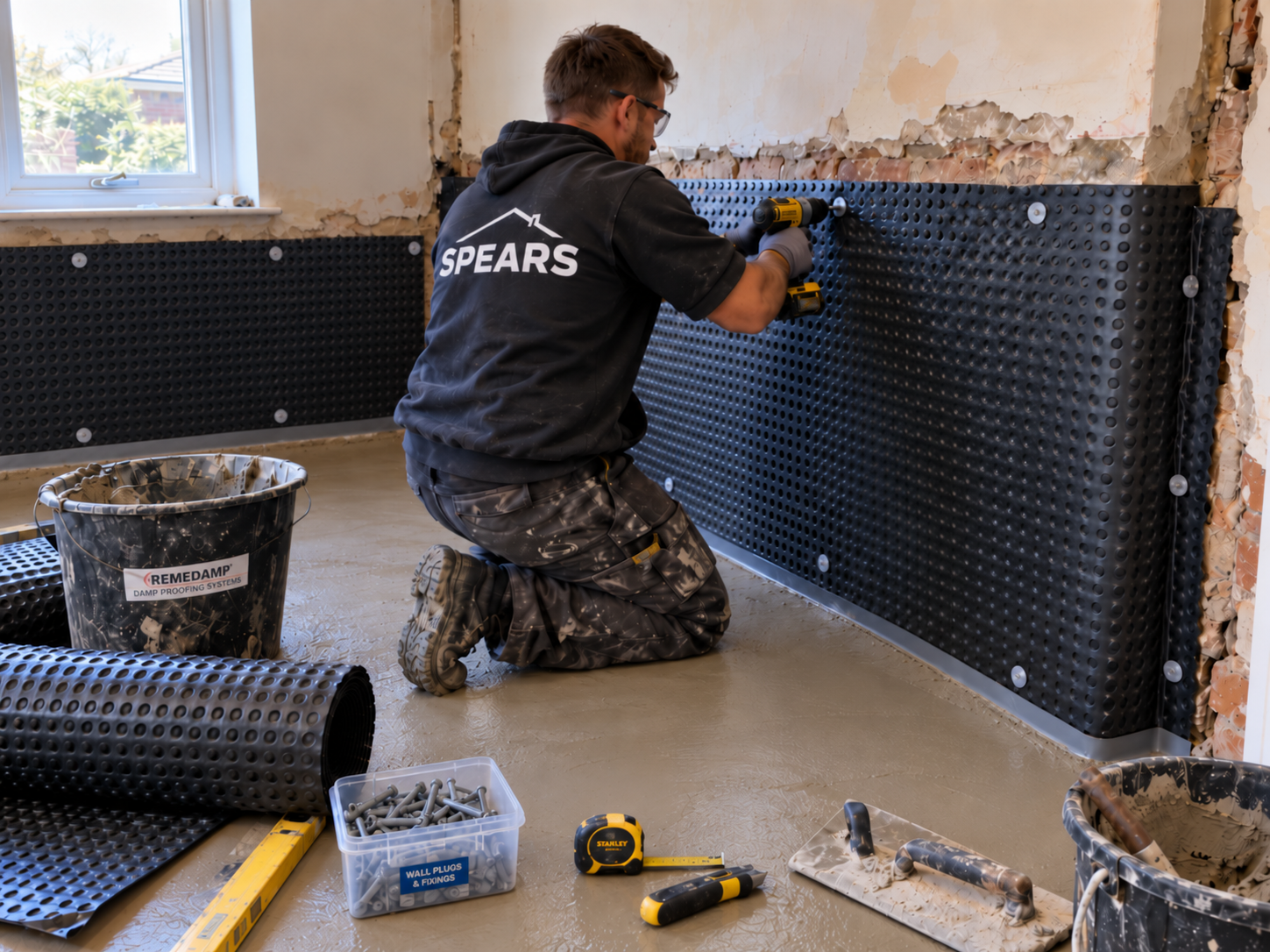
Basements and below-ground spaces may require specialist waterproofing designs, such as appropriate tanking or cavity drainage systems.
Traditional solid-wall buildings require particular care when selecting materials, as inappropriate impermeable treatments may trap moisture and contribute to further deterioration.
Following the successful correction of the moisture source, damaged plaster, skirting boards, decorations and other affected finishes may need replacing.

Protecting Your Property Against Future Damp Problems
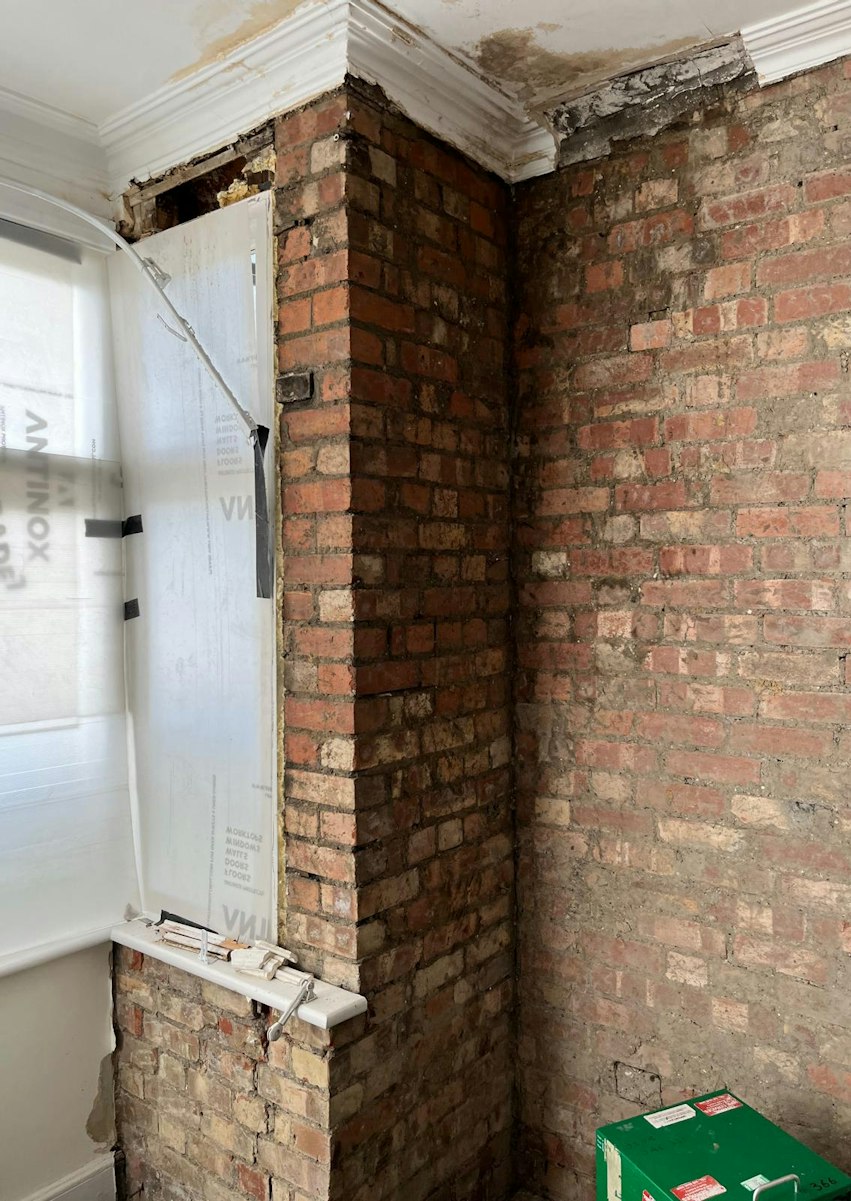
Preventative maintenance is an important part of protecting buildings against recurring moisture damage.
Regular inspections of roofs, gutters, downpipes and external brickwork can help identify deterioration before significant water penetration occurs. Maintaining effective ventilation in kitchens, bathrooms and other moisture-producing areas also helps control condensation.
Property owners should investigate unexplained water staining, persistent musty smells and recurring mould rather than repeatedly decorating over affected surfaces. For landlords and managing agents, routine property inspections can provide an opportunity to identify problems early and arrange appropriate investigations.
Planned maintenance is particularly valuable in older London properties, where several minor building defects can combine to create substantial moisture problems. Prompt attention to leaks and external defects can reduce disruption, protect internal finishes and help preserve the long-term condition of the property.


Damp Proofing and Property Repairs with Spears
At Spears, we understand that damp-related problems require more than a temporary cosmetic solution.
Our property maintenance and refurbishment services across London include investigating moisture-related building defects, coordinating appropriate remedial works and restoring affected areas. From external masonry repairs and roofing defects to plumbing leaks, damaged plaster and internal refurbishment, we approach each project with consideration for the property's condition and construction requirements.
Where specialist assessment or treatment is necessary, this can be identified as part of the proposed approach. Whether you're a homeowner experiencing persistent damp, a landlord preparing a property for occupation or a managing agent responsible for building maintenance, addressing moisture problems early can help prevent further deterioration.
Contact Spears to discuss your damp-related concerns and arrange an assessment of the affected areas.
Spears — Protecting, Maintaining and Refurbishing Properties Across London.
- Katherine , Finchey